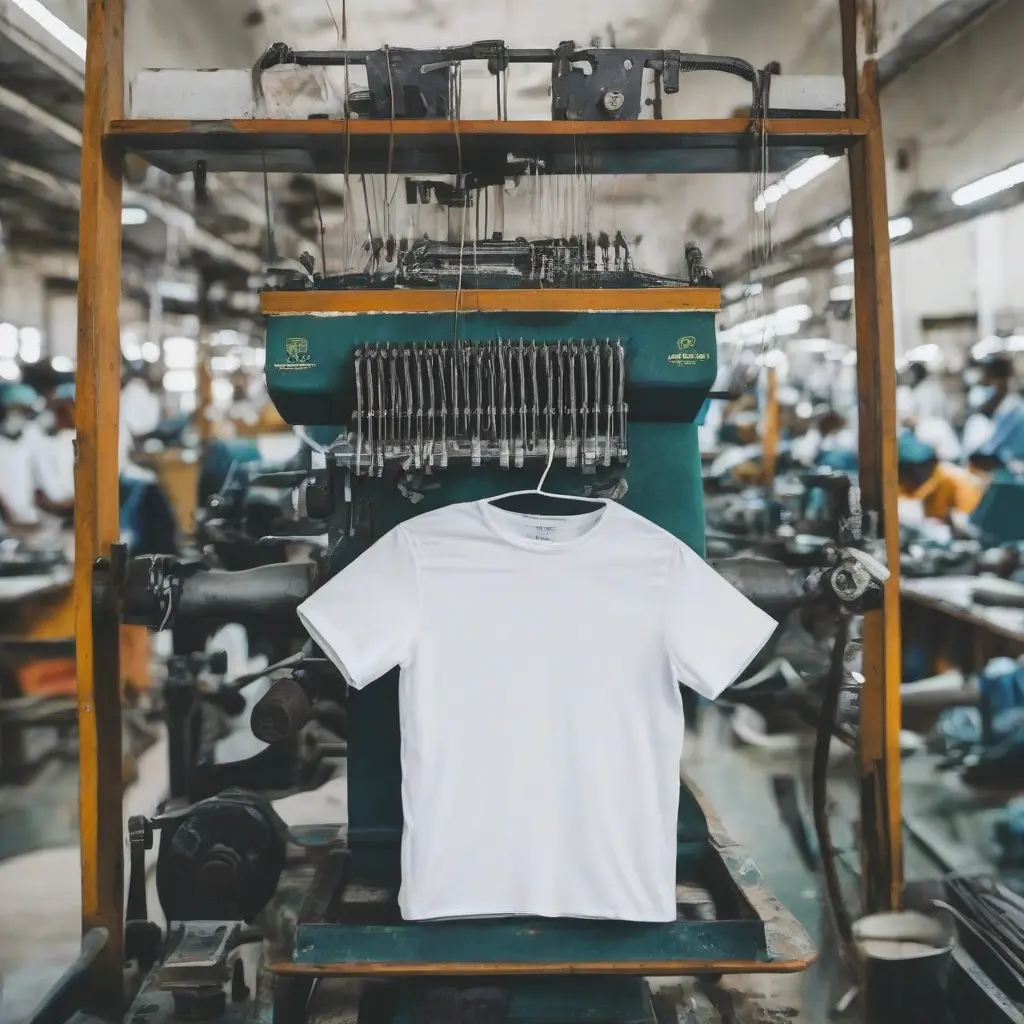
Sustainable manufacturing practices in the t-shirt industry are gaining prominence, particularly in India, where the textile sector plays a crucial economic role. This article delves into various eco-friendly processes, material sourcing, and ethical labor practices that are making waves in sustainable t-shirt production. As environmental concerns rise, understanding these practices is essential not only for consumers seeking responsible options but also for businesses aiming to contribute positively to the planet.
The Importance of Sustainable Practices
Sustainable practices in the t-shirt manufacturing sector are vital for reducing environmental impact and promoting ethical consumption. The textile industry is one of the largest polluters globally, and adopting eco-friendly methods can significantly alleviate this issue. Consumers are increasingly aware of their choices, pushing manufacturers to shift towards practices that prioritize sustainability. This transition not only benefits the environment but also enhances brand loyalty and marketability.
Eco-Friendly Materials in T-Shirt Production
The use of eco-friendly materials is a cornerstone of sustainable t-shirt manufacturing in India. Organic cotton, bamboo, and recycled polyester are becoming popular alternatives to conventional fabrics. Organic cotton is grown without harmful pesticides, promoting soil health and biodiversity. Bamboo offers a fast-growing alternative that requires less water and no chemical fertilizers. Recycled polyester reduces plastic waste by repurposing existing plastics, thereby minimizing the need for virgin resources and lowering the carbon footprint.
Water Conservation in Manufacturing
Water conservation is critical in the t-shirt manufacturing process, especially in water-scarce regions of India. Innovative techniques such as rainwater harvesting, advanced dyeing methods, and water recycling systems are being implemented by many manufacturers. These practices not only reduce overall water consumption but also address the pollution of water bodies caused by dye runoff. By focusing on water-efficient processes, manufacturers contribute to a sustainable future and set a benchmark for responsible production.
Ethical Labor Practices
Ethical labor practices are fundamental to sustainable t-shirt manufacturing. In India, the focus is shifting towards fair wages, safe working conditions, and respect for workers’ rights. Many companies are adhering to global standards set by organizations that monitor labor practices. By ensuring that workers are treated fairly and work in safe environments, manufacturers not only comply with ethical guidelines but also foster a positive corporate image and attract conscious consumers.
The Role of Technology in Sustainability
Technology plays a pivotal role in promoting sustainability within the t-shirt manufacturing sector. Innovations like 3D knitting and digital printing reduce waste by creating only what is needed, thereby minimizing excess fabric and resources. Additionally, blockchain technology is being explored for improved transparency in supply chains, allowing consumers to track the ethical sourcing of their garments. These advancements signify a progressive move towards more sustainable practices in the textile industry.
Challenges Facing Sustainable T-Shirt Manufacturing
Despite the growth of sustainable practices, challenges remain in the t-shirt manufacturing industry. High costs associated with eco-friendly materials and technologies can deter smaller manufacturers from transitioning. Additionally, consumer demand for fast fashion creates pressure on brands to deliver quickly, often at the expense of sustainability. Addressing these challenges requires collaboration among manufacturers, consumers, and policymakers to create a more sustainable and equitable industry.
Consumer Awareness and Demand
Consumer awareness is crucial in driving sustainable t-shirt manufacturing practices. As more individuals seek products that align with their values, brands must adapt to meet this demand. Education on the environmental and social impacts of clothing choices can empower consumers to make informed decisions. By supporting brands committed to sustainability, consumers can significantly influence market trends and push for more ethical manufacturing practices across the industry.
Case Studies of Sustainable Brands in India
Several brands in India are leading the charge for sustainable t-shirt manufacturing. For example, brands like Chokhi Dhani and B-label prioritize organic materials and ethical labor, showcasing what is possible in responsible fashion. Their commitment to reducing environmental impact and ensuring fair treatment of workers sets a standard for others to follow. By highlighting these successful case studies, other manufacturers may find inspiration to implement similar sustainable practices.
The Future of Sustainable T-Shirt Manufacturing
The future of sustainable t-shirt manufacturing in India looks promising as both consumers and manufacturers push for greener practices. With advancements in technology and a growing emphasis on ethical labor, the industry is evolving. Collaboration among stakeholders, increased government support, and consumer advocacy will be essential to scaling sustainable practices. As sustainability becomes a central business paradigm, the Indian t-shirt manufacturing sector may pave the way for global standards in ethical production.
Conclusion
In conclusion, sustainable t-shirt manufacturing practices in India are not only vital for environmental health but also for ensuring the well-being of workers within the industry. The adoption of eco-friendly materials, research into water conservation, and commitment to ethical labor significantly contribute to a brighter future for both the planet and its people. As this sector continues to evolve, consumer awareness and demand for sustainability will play crucial roles in shaping the t-shirt manufacturing landscape.