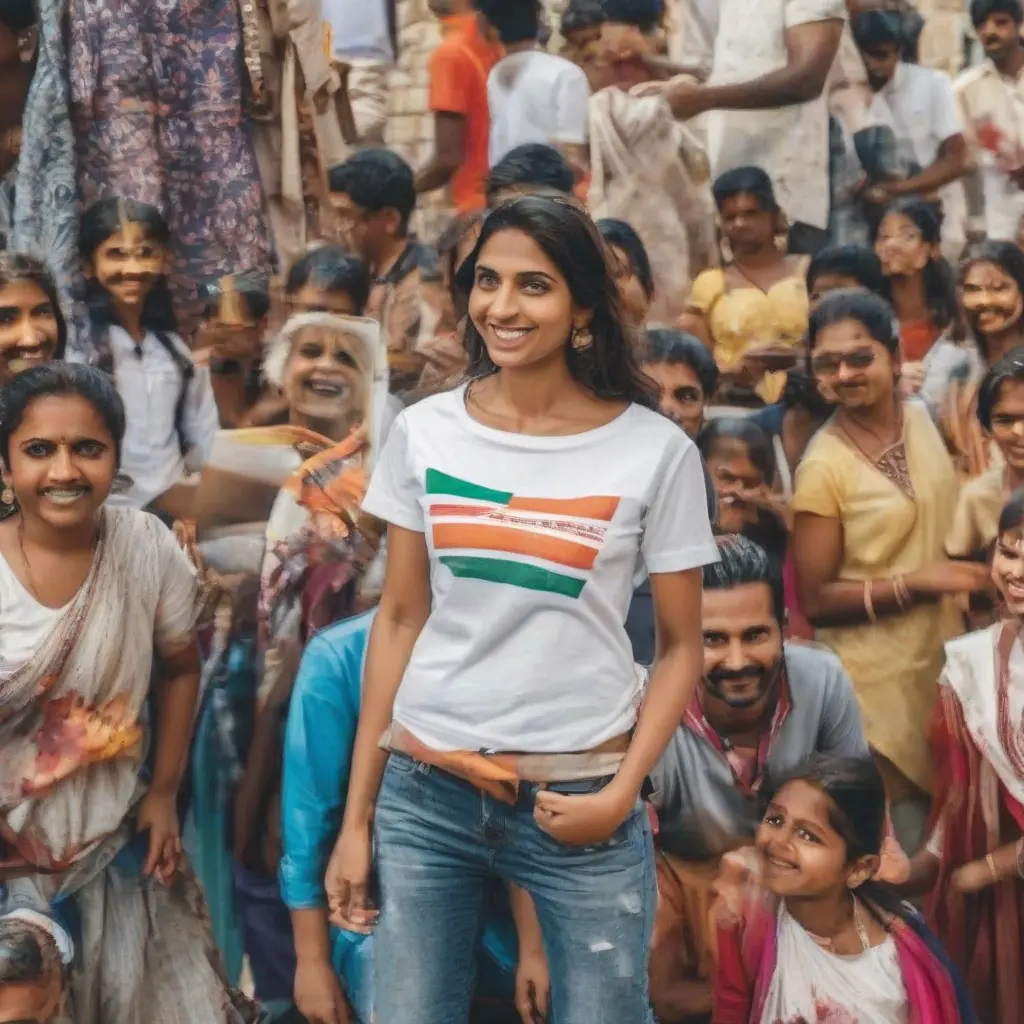
Cultural events hold immense significance in India, influencing various aspects of life, including fashion. Among the numerous fashion items, T-shirts have emerged as a popular choice during these celebrations. The engagement in cultural activities encourages individuals to express their identity and affiliation through apparel, making T-shirts a prime focus for retailers and consumers alike. This article delves into how cultural events affect T-shirt purchases in India, from festivals to sports events, highlighting the growing market for customized and themed designs.
The Role of Festivals in Shaping T-Shirt Trends
Festivals in India, such as Diwali, Holi, and Eid, play a pivotal role in shaping T-shirt purchase trends. Each celebration brings unique themes, colors, and symbols that influence designs. Retailers often create limited editions to attract buyers, aligning their offerings with the essence of these festivals. The vibrant colors and cultural motifs on T-shirts allow consumers to showcase their festive spirit, making them more likely to purchase these items as part of their celebration attire. Consequently, festivals not only boost T-shirt sales but also inspire innovation in design and marketing strategies.
Sports Events and T-Shirt Purchases
Sports events serve as another major driver of T-shirt purchases in India. The passion for cricket, football, and traditional sports results in heightened demand for jerseys and themed shirts during these competitions. Fans often buy T-shirts featuring their favorite teams or players to express their support, leading to a boom in sales during seasons of major tournaments. Additionally, manufacturers take advantage of these events by launching exclusive collections tied to specific matches or events, thereby capturing the excitement and enthusiasm of sports fans across the country.
The Impact of Cultural Identity on Apparel Choices
Cultural identity significantly influences T-shirt purchasing decisions in India. Consumers often seek designs that reflect their heritage, beliefs, or regional pride. This desire for representation drives artists and designers to create T-shirts that resonate with various cultural narratives, traditions, and symbols. As a result, T-shirts become more than just casual wear; they transform into mediums of cultural expression. Special collections celebrating cultural diversity often gain popularity, further emphasizing the importance of integrating cultural themes into T-shirt designs and marketing strategies.
Festive Marketing Strategies for T-Shirt Brands
T-shirt brands increasingly adopt festive marketing strategies to capitalize on cultural events. They engage in targeted campaigns that resonate with consumers’ emotions during festivals, often leveraging social media and influencer collaborations. These campaigns not only promote specific T-shirt lines but also connect with the values associated with the celebrations. By aligning their brand identity with cultural significance, companies increase engagement and foster a sense of community amongst consumers. This approach also enhances brand loyalty, as customers feel a deeper connection to a brand that celebrates their cultural identity.
Customization and Personalization Trends
In recent years, the trend for customization and personalization has gained traction, particularly during cultural events in India. Consumers show interest in T-shirts that feature their names, personalized messages, or culturally relevant graphics. This trend allows for greater individuality and expression, making T-shirts not just apparel but also memorable keepsakes. Retailers who offer customization options tap into this consumer desire, especially around festivals where unique expressions of identity are celebrated. As a result, personalization in T-shirt purchases has become an integral part of cultural festivities.
The Influence of Social Media on T-Shirt Trends
Social media platforms play a vital role in shaping T-shirt trends, particularly during cultural events. Influencers and celebrities often showcase their festive attire, prompting followers to emulate these styles. Hashtags related to specific events encourage viral trends, leading to increased visibility for certain T-shirt designs. Additionally, brands that create shareable content around cultural celebrations enhance engagement and drive traffic to their online stores. This digital visibility helps connect brands with a broad audience, ultimately influencing purchasing behaviors during key cultural events.
Sustainable Practices in T-Shirt Production
The rising awareness of sustainability in fashion has influenced T-shirt production, particularly in the context of cultural events. Many consumers now seek eco-friendly options, including organic fabrics and sustainable production methods. Brands that align their cultural event collections with sustainability attract environmentally-conscious buyers. This commitment to sustainable practices not only appeals to consumer values but also contributes positively to the brand’s reputation. As awareness continues to grow, it will likely drive more T-shirt manufacturers to adopt eco-friendly materials and practices, creating a positive impact on the industry.
Challenges in the T-Shirt Market During Cultural Events
Despite the booming T-shirt market during cultural events, several challenges persist. Inventory management becomes crucial as retailers need to predict demand accurately to avoid overstocking or stockouts. Additionally, the competition among brands heightens, requiring effective differentiation strategies. Manufacturers must also ensure quality while keeping costs manageable, as consumers become increasingly discerning about their purchases. Moreover, shifting consumer preferences towards sustainability and personalization adds another layer of complexity, making it necessary for brands to adapt and innovate continually.
Future Trends in T-Shirt Purchases Linked to Cultural Events
The future of T-shirt purchases linked to cultural events is expected to evolve further, incorporating technological advancements and changing consumer behaviors. Emerging technologies like augmented reality could allow customers to visualize how a T-shirt design fits into their lifestyle, enhancing their experience. Additionally, the trend towards social commerce is likely to grow, making it easier for consumers to purchase directly through social media platforms. As cultural events continue to shape preferences, T-shirt brands that remain agile and responsive to these trends will likely dominate the market, shaping how cultural celebrations influence fashion choices in India.
Conclusion
Cultural events are instrumental in driving T-shirt purchases in India, reflecting broader trends in fashion and consumer behavior. As the intersection of culture and fashion continues to evolve, T-shirts remain a versatile medium for self-expression. The influence of festivals, sports events, and cultural identity will continue to play a crucial role in shaping the market. With emerging trends in customization, sustainability, and social media impact, T-shirt brands must adapt to meet consumer expectations and preferences. This dynamic landscape represents both challenges and opportunities in the evolving fashion landscape of India.