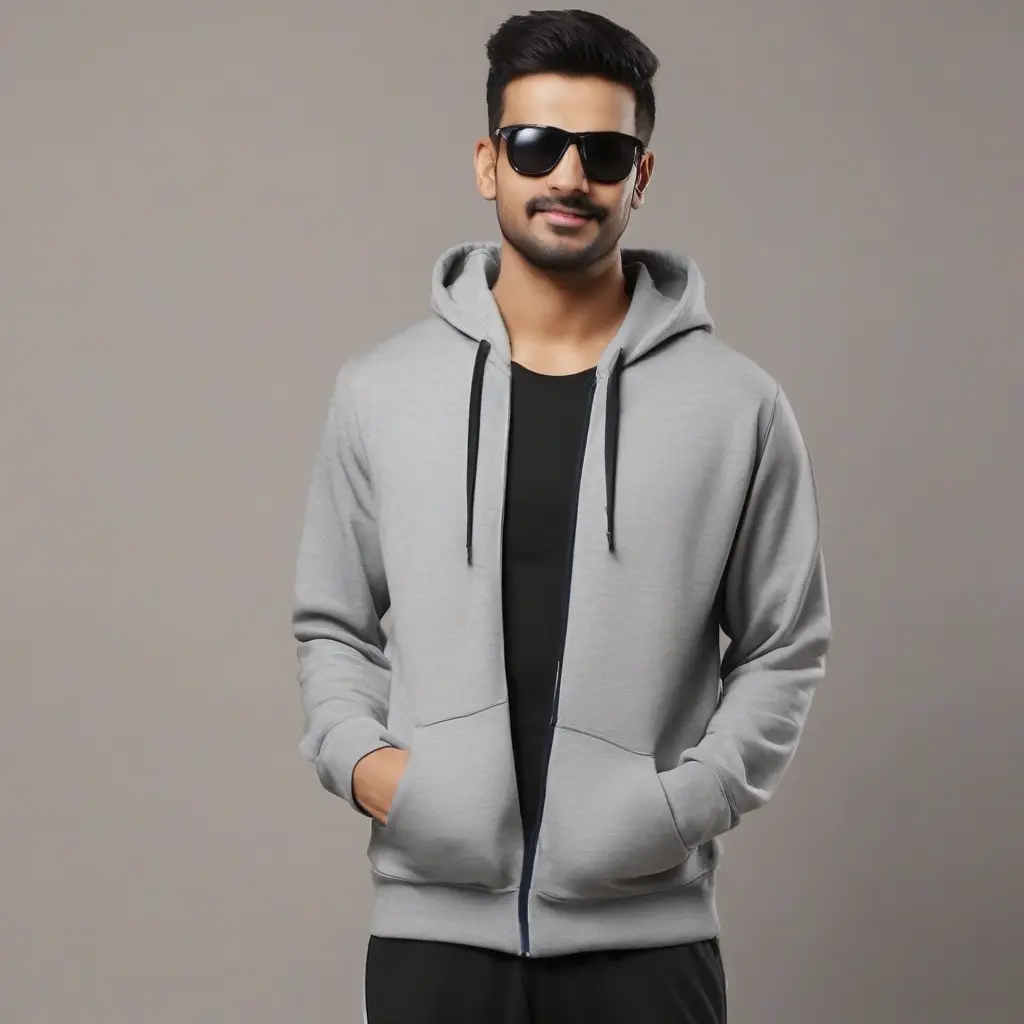
In India, the weather can vary dramatically across regions and seasons, making it essential to choose the right materials for hoodies. When facing extreme weather conditions, such as intense cold in the north or heavy rain in the monsoon season, selecting hoodies made from appropriate materials can significantly enhance comfort and protection. This guide explores the best hoodie materials suited for extreme weather, helping you make informed decisions while shopping for your next favorite piece.
Cotton: The Classic Choice
Cotton is a widely favored material for hoodies due to its breathability and softness. While it is not the warmest option, it provides comfort during milder winter days and can absorb moisture effectively. Cotton hoodies are ideal for layering during extreme cold, allowing easy adaptation to fluctuating temperatures. Moreover, cotton’s natural fibers prevent skin irritation, making it suitable for prolonged wear. However, for extreme weather, consider cotton blends that include synthetic fibers for added insulation.
Polyester: The Versatile Fabric
Polyester is another popular material known for its durability and water-resistant properties, making it perfect for hoodies intended for extreme conditions. Its lightweight nature ensures ease of movement while providing adequate warmth without overwhelming bulk. Additionally, polyester dries quickly, providing comfort during unexpected rain showers. Many hoodies combine polyester with other materials to maximize comfort while maintaining performance, making them highly versatile. This fabric is favored among those who enjoy outdoor activities in varying climates.
Fleece: Ultimate Warmth and Comfort
Fleece is renowned for its exceptional warmth and softness, making it a top pick for extreme cold weather. This material offers excellent insulation, trapping body heat and keeping wearers warm even in low temperatures. Fleece hoodies are lightweight, making them easy to carry and layer when needed. Moreover, they are breathable, ensuring that wearers remain comfortable and dry, even during physical activities. For those facing harsh winter conditions, a fleece hoodie is essential to provide unparalleled comfort and warmth.
Nylon: The Windbreaker
Nylon hoodies are specifically designed to withstand harsh elements, including wind and rain. This synthetic material is incredibly strong and resistant to abrasions, making it suitable for rugged outdoor adventures. Nylon’s ability to repel water ensures that you stay dry during heavy rain, while also providing ventilation to avoid overheating. For extreme weather, a nylon hoodie can serve as an effective outer layer, offering protection without compromising on comfort. Many options feature additional lining for warmth, further enhancing their appeal.
Wool: Natural Insulation
Wool is a natural material known for its exceptional insulating properties, making wool hoodies ideal for cold and frigid weather. Wool fibers trap heat efficiently while allowing moisture to escape, ensuring wearers remain warm and dry. Additionally, wool is flame-resistant, providing added safety during outdoor endeavors. It can also wick moisture away from the body, making it comfortable during active use. While wool can be heavier than synthetic alternatives, its unmatched warmth makes it a popular choice for extreme cold.
Smart Fabrics: Technology Meets Comfort
Smart fabrics are a recent innovation in hoodie production, incorporating technology to enhance comfort and performance. These materials can regulate temperature, manage moisture, and even provide UV protection. For individuals facing extreme weather, hoodies made from smart fabrics can be a game-changer, providing tailored comfort to match fluctuating environmental conditions. Some options feature built-in insulation layers that adjust to temperature changes, keeping wearers comfortable during varying climates. As technology continues to evolve, smart fabrics are becoming increasingly accessible.
Layering Techniques for Extreme Weather
Effective layering is vital when facing extreme weather conditions, as it allows for flexibility and adaptability. A good hoodie can serve as a mid-layer, providing warmth while allowing moisture to escape. Pairing a lightweight base layer made of moisture-wicking material underneath ensures comfort and insulation. For added protection against harsh conditions, consider an outer layer made from windproof or waterproof materials. Understanding how to layer effectively enhances overall comfort and can significantly affect performance in extreme climates.
Care and Maintenance of Hoodies
Proper care and maintenance extend the lifespan of hoodies, especially those made from specialized materials. Always check the care label for specific washing instructions, as some fabrics may require gentle cycles or hand washing. Avoid using bleach, as it can damage the fibers and reduce the integrity of the material. For hoodies made from delicate fabrics like wool, air drying is the best option to maintain their shape and texture. Regular cleaning ensures that the hoodie remains fresh and functional, ready for any weather conditions.
Fashion vs. Function: Striking the Balance
Choosing the right hoodie for extreme weather often requires a balance between fashion and function. While it’s essential to prioritize warmth and protection, aesthetic preferences also play a role in selection. Fortunately, many hoodies blend style with practicality, offering trendy designs while still incorporating technical fabrics. Opting for versatile colors and patterns can enhance outfit coordination without sacrificing performance. Ultimately, finding a hoodie that looks good and keeps you comfortable and protected is crucial in navigating extreme weather.
Conclusion
In conclusion, understanding the various materials used for hoodies is essential for navigating extreme weather in India. From classic cotton to advanced smart fabrics, each material has unique benefits that cater to specific conditions. By selecting the right hoodie based on material and layering effectively, individuals can ensure comfort and protection while enjoying outdoor activities, irrespective of the weather. Prioritizing both function and style will enable wearers to face any climate with confidence.