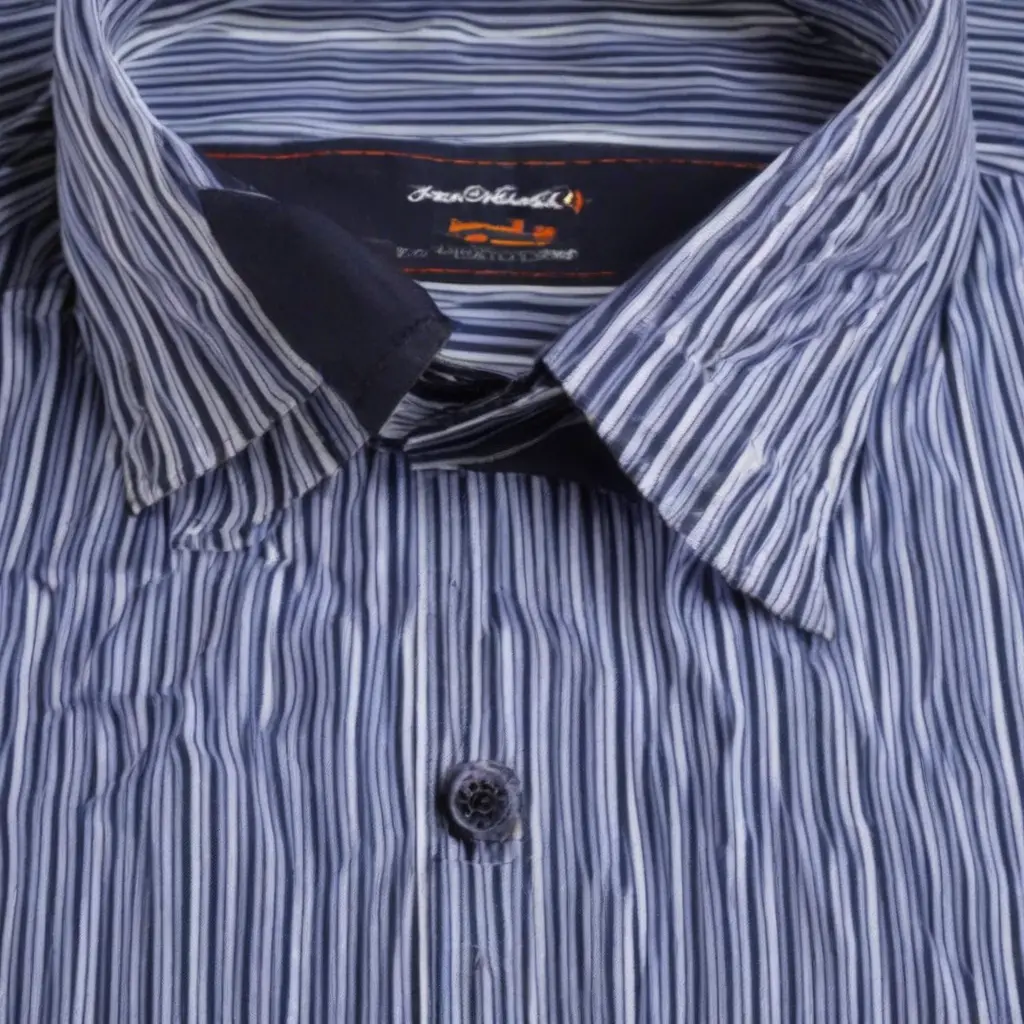
Choosing the right shirt fabric is a crucial decision for many Indians, considering factors like comfort, maintenance, and style. Iron-free shirts have gained popularity due to their convenience and time-saving benefits, particularly in a fast-paced world. On the other hand, traditional fabric shirts, often made from cotton or linen, bring a sense of classic elegance and breathability. In this article, we delve into the pros and cons of both options, providing insights to help you make an informed choice based on your lifestyle and preferences.
Understanding Iron-Free Shirts
Iron-free shirts are designed to resist wrinkles, making them a favorable choice for busy individuals. Typically made from synthetic blends, these fabrics retain their shape and smoothness even after washing. The technology behind iron-free shirts often incorporates a process that modifies the fibers, creating a durable, no-iron finish. This makes them ideal for those who travel frequently or have a hectic lifestyle, as they require minimal care. However, it’s vital to note that the breathability of these shirts can sometimes be less compared to traditional materials.
Advantages of Iron-Free Shirts
One of the key advantages of iron-free shirts is their time-saving attribute. With no need to iron after washing, these shirts can be worn straight from the dryer, significantly reducing your laundry workload. Additionally, they often have stain-resistant properties, making them practical for everyday use, especially in humid climates. The ease of maintenance promotes a casual yet polished appearance, appealing to professionals who need to look presentable without spending time on upkeep. Overall, these benefits make iron-free options a popular choice for the modern Indian.
Disadvantages of Iron-Free Shirts
Despite their convenience, iron-free shirts come with certain drawbacks. The synthetic blends used may not provide the same level of comfort and breathability as natural fabrics like cotton. Many users report issues with moisture-wicking capabilities, causing discomfort during hotter months. Additionally, the longevity of these shirts can be a concern; as the fabric undergoes wear and tear, it may lose its wrinkle-resistant properties. This makes investing in iron-free fabric less beneficial over time compared to traditional options.
Exploring Traditional Fabric Shirts
Traditional fabric shirts, primarily made from natural materials like cotton, linen, or silk, are synonymous with comfort and breathability. These fabrics allow your skin to breathe, making them suitable for hot and humid weather prevalent in many parts of India. Traditional fabric shirts come in various weaves and patterns, allowing for a wide range of styles and fits. Additionally, natural fibers can absorb moisture efficiently, providing a fresh feel throughout the day, which is essential for comfort during extended wear.
Benefits of Traditional Fabric Shirts
The primary benefit of traditional fabric shirts lies in their comfort level, as they typically offer superior breathability compared to synthetic options. Fabrics like cotton and linen wick moisture away, keeping you cooler and more comfortable during heatwaves. These shirts often come in a variety of styles, allowing for personalization and expression of individuality. Furthermore, they are less likely to irritate sensitive skin, making them a safer choice for those prone to allergies or skin conditions. Traditional shirts thus hold enduring appeal, especially in the culturally rich context of India.
Drawbacks of Traditional Fabric Shirts
While traditional fabric shirts have numerous advantages, they also come with certain disadvantages. A significant drawback is their tendency to wrinkle, necessitating ironing after washing for a polished appearance. Moreover, natural fibers often require careful washing and drying to maintain their quality, which can be time-consuming. Additionally, some may find that traditional fabric shirts are less resistant to stains compared to iron-free options. In fast-paced environments, these factors can be inconvenient, leading some to favor synthetic alternatives despite their shortcomings.
Comparative Price Analysis
When comparing the prices of iron-free and traditional fabric shirts, several factors come into play, including brand, materials, and manufacturing processes. Generally, iron-free shirts can be priced higher due to the advanced technology used in their production. However, traditional fabric shirts often provide a better long-term investment, forgiving wear and tear while being recyclable. While the initial cost of iron-free options might be appealing for their ease of use, traditional cotton or linen shirts may offer better value over time, considering their durability and comfort.
Style and Versatility in Fashion
Style is a significant consideration when choosing between iron-free and traditional fabric shirts. Iron-free shirts typically offer a modern, sleek look that appeals to those in professional settings. They can be easily paired with both formal and casual attire. On the other hand, traditional fabric shirts boast a classic charm and are often preferred in cultural and festive occasions. Their versatility allows them to be dressed up or down depending on the occasion, making them a staple in many wardrobes. Ultimately, the choice greatly depends on personal style and the context in which the shirts will be worn.
Environmental Impact Considerations
In today’s eco-conscious world, the environmental impact of clothing is a significant consideration. Traditional fabric shirts, made from natural fibers, are generally more sustainable than their iron-free counterparts. Natural materials have a lower carbon footprint and are biodegradable. Conversely, synthetic fibers used in iron-free shirts can contribute to microplastic pollution and may require more resources in terms of manufacturing and processing. As consumers become increasingly aware of sustainability, traditional shirts tend to align more closely with eco-friendly choices, offering a guilt-free fashion option.
Making an Informed Choice
Choosing between iron-free and traditional fabric shirts hinges on individual lifestyle factors, preferences, and needs. For those who value convenience and minimal maintenance, iron-free options may be ideal. However, if comfort, breathability, and sustainability are priorities, the charm of traditional shirts remains hard to resist. Additionally, considering local climate and cultural factors in India can further guide the decision. Ultimately, understanding the distinct pros and cons of each type can help individuals make an informed choice, allowing them to express their style while meeting practical requirements.
Conclusion
In summary, both iron-free and traditional fabric shirts offer distinct advantages and disadvantages that cater to different lifestyles and preferences. Iron-free shirts excel in convenience and ease of maintenance, making them suitable for busy individuals. In contrast, traditional shirts provide comfort, breathability, and timeless appeal. An informed decision will hinge on personal needs, ensuring that each choice reflects an individual’s style and values in the context of Indian culture.