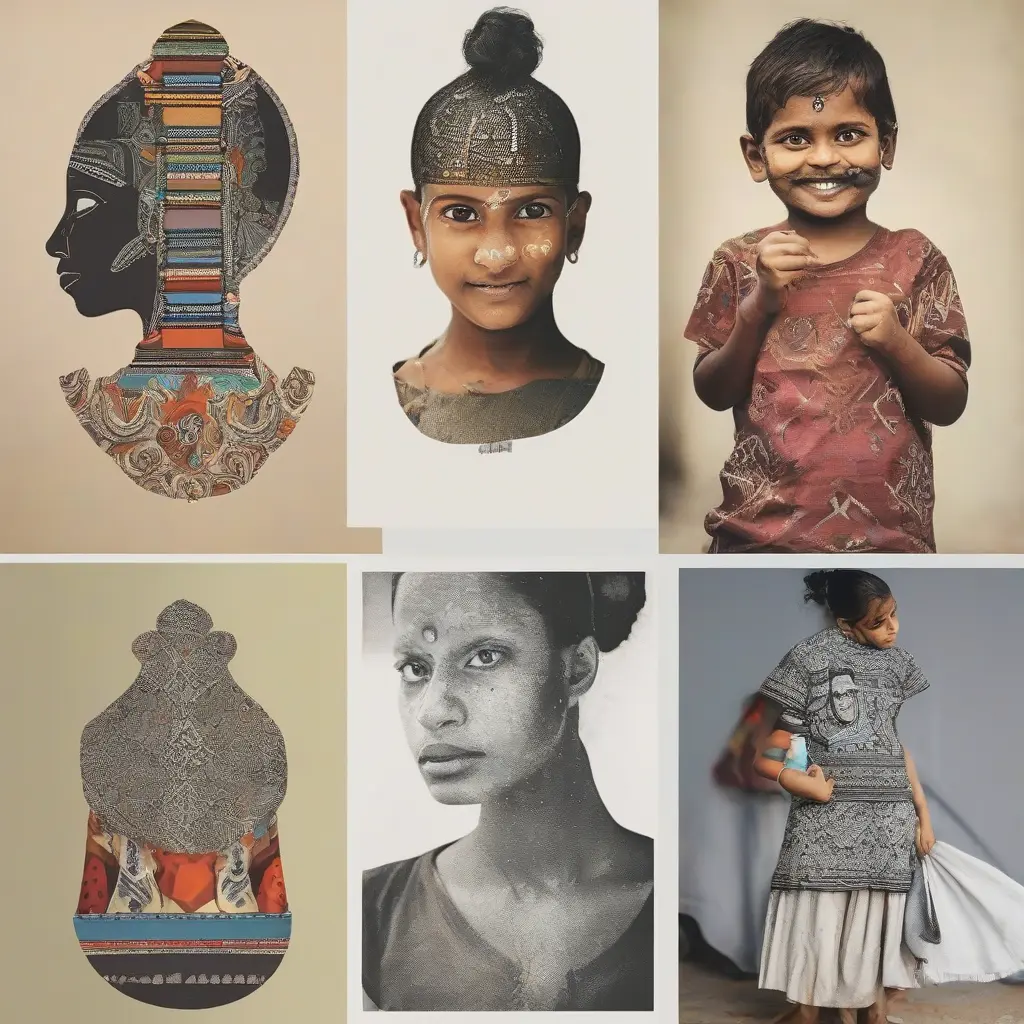
India’s rich tapestry of cultures influences fashion, including the ubiquitous t-shirt. With various regional traditions, languages, and artistic styles, adapting t-shirts for different cultural contexts becomes essential. This article explores how designs, fabrics, and messages can be tailored to embrace the uniqueness of each region, allowing for a more personal connection to clothing. By considering local symbols, colors, and cultural expressions, the t-shirt can also serve as a canvas that celebrates and showcases India’s diversity, appealing to both locals and visitors alike.
Understanding Regional Diversity in India
India is a country of profound diversity, with over 2,000 distinct ethnic groups and numerous languages spoken across its vast landscape. This diversity influences various aspects of life, including clothing preferences, particularly t-shirts. Each region, from North to South and East to West, carries its own cultural nuances, traditions, and design aesthetics. This regional character is essential for fashion designers and brands to acknowledge if they wish to create t-shirts that resonate with different cultural identities.
Cultural Symbols for T-Shirt Designs
Incorporating cultural symbols in t-shirt designs can give a meaningful touch to garments that resonate with local populations. For example, a t-shirt adorned with intricate motifs inspired by the Warli paintings of Maharashtra can evoke a sense of local pride. Similarly, using elements from folk art forms or festivals, such as the colorful patterns associated with Diwali or Pongal, can create a strong cultural connection. By embedding these elements, t-shirts become more than mere clothing; they transform into art pieces that represent cultural heritage.
Regional Colors and Fabrics
The choice of colors and fabrics often varies significantly across different regions of India. For example, the vivid reds, yellows, and greens seen in Punjabi attire contrast with the softer pastels favored in South Indian clothing. T-shirt manufacturers can enhance local appeal by selecting hues that reflect regional preferences and even utilizing traditional fabrics like khadi or handloom weaves. These choices not only respect local tastes but also contribute to sustainable fashion practices by supporting local artisans and their crafts.
Message and Slogan Customization
Customizable slogans and messages on t-shirts offer another avenue for cultural adaptation. Tailoring phrases or quotes in local languages can have a profound impact, making the garment relatable. For instance, employing Tamil for a t-shirt sold in Tamil Nadu or Hindi in Northern India enables a local connection that resonates with the audience. Clever wordplay or quotes related to regional literature or folklore can further enhance engagement and affection towards the t-shirt, making it more than just a piece of clothing.
T-Shirts for Festivals and Celebrations
India is known for its numerous festivals, each characterized by unique traditions and rituals. Designing t-shirts specifically for these occasions can cater to growing interest in festive apparel. For example, incorporating images of Ganesha for Ganesh Chaturthi or vibrant motifs for Holi can tap into the festive spirit. Limited edition t-shirts for these celebrations not only encourage participation but also provide an avenue for people to express cultural affiliations and pride during important events.
Sustainable Practices in T-Shirt Production
Sustainability is an increasingly important factor in modern fashion, including t-shirt production. By adopting eco-friendly materials and ethical production practices, brands can better align with consumer values. Utilizing organic cotton and natural dyes can appeal to environmentally conscious consumers while simultaneously respecting indigenous practices. Increased awareness about sustainability can motivate brands to emphasize local craftsmanship, promoting both cultural heritage and ecological responsibility within their t-shirt lines.
Online Platforms for Regional T-Shirt Sales
With the rise of e-commerce, regional t-shirt brands are finding new opportunities to reach wider audiences. Online platforms give artisans and small businesses a stage to showcase their culturally adapted designs directly to consumers. Marketplaces that allow for regional customization help boost visibility for niche brands while enabling customers from different regions to access unique designs that may reflect their heritage. This trend fosters cultural exchange as customers can appreciate styles from regions beyond their own.
Influencing Trends through Social Media
Social media plays a pivotal role in shaping fashion trends today. By leveraging platforms like Instagram and Facebook, local designers can showcase their culturally adapted t-shirts to a global audience. Influencers often endorse region-specific apparel, creating a ripple effect that influences consumer behavior. This digital landscape allows for dynamic engagement, helping brands to receive immediate feedback, and adapt designs accordingly. As people share their culturally reflective t-shirts, the concept of regional fashion gains traction, fostering a more inclusive clothing culture.
Challenges in Cultural Adaptation
While adapting t-shirts to suit regional cultures offers many benefits, several challenges exist. Misinterpretations of cultural symbols, for instance, can lead to backlash and misunderstandings. Designers need to ensure that they depict these elements respectfully and accurately. Moreover, the dynamic nature of culture means that fashion trends can change quickly, requiring brands to be adaptable and aware. Striking a balance between tradition and modernity while avoiding cultural appropriation is crucial in the design process.
Conclusion
Adapting t-shirts for various regional cultures in India is an enriching endeavor that celebrates the country’s diversity. By incorporating local symbols, colors, messages, and sustainable practices, brands can create garments that resonate culturally. The unique challenges associated with this adaptation must be addressed thoughtfully, but the success of culturally reflective t-shirts can foster a deeper appreciation of India’s rich heritage while also promoting inclusivity in fashion.