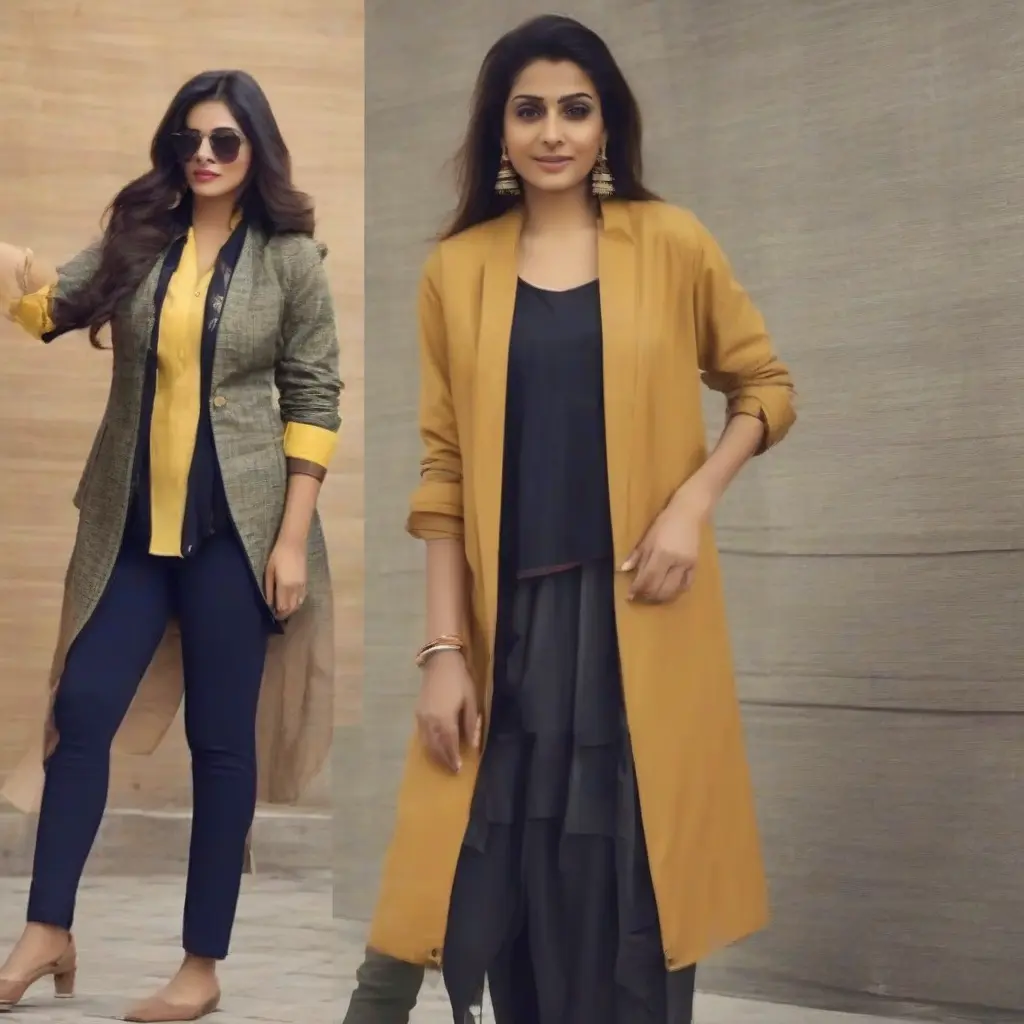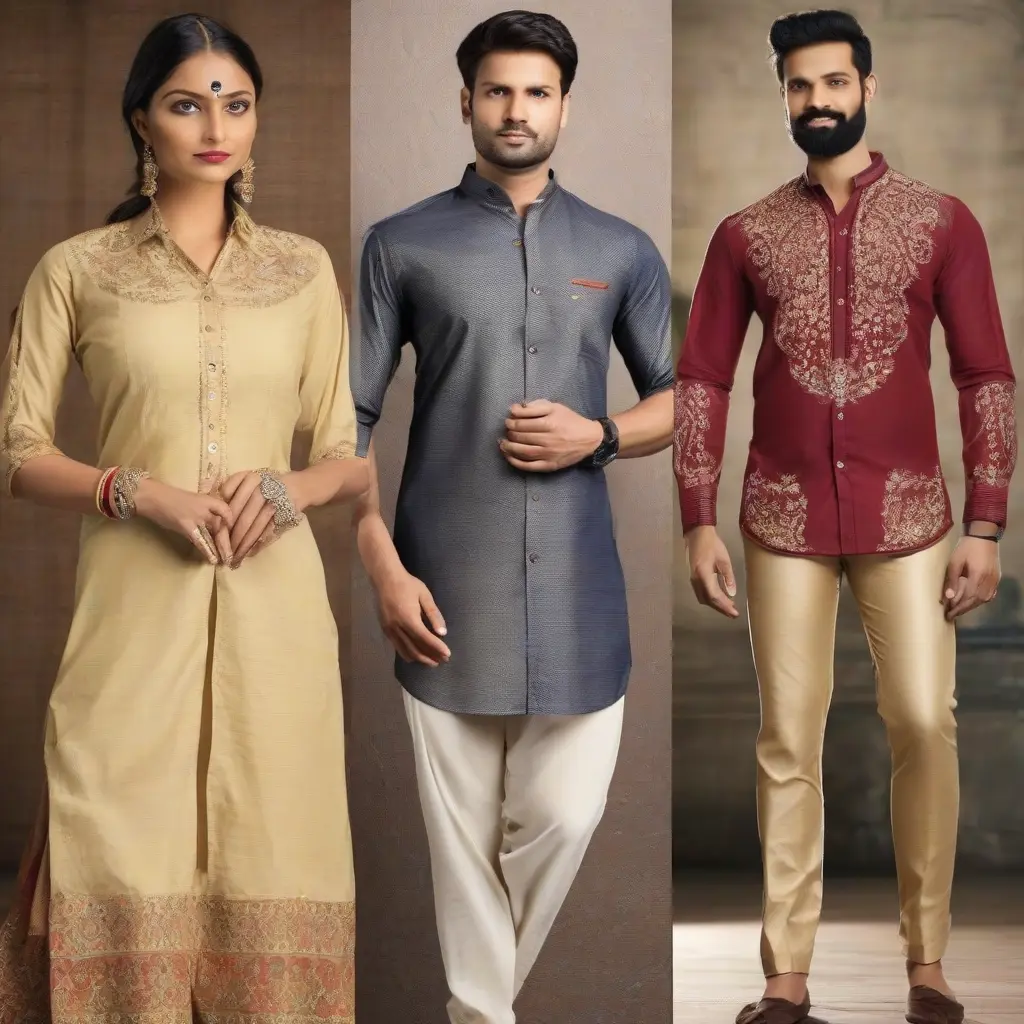
The evolution of shirts in Indian fashion reflects a rich tapestry of cultural influences and changing societal norms. Traditional shirts, often characterized by intricate craftsmanship and regional fabrics, have been staples in Indian wardrobes for centuries. On the other hand, modern shirts emphasize practicality and contemporary style, incorporating global fashion trends. This comparative analysis delves into the characteristics, fabrics, styles, and cultural significance of both traditional and modern shirts, aiming to provide insights for fashion enthusiasts looking to appreciate the diversity in Indian attire.
Historical Context of Traditional Shirts
Traditional shirts in India have deep historical roots, often linked to various regional and cultural identities. For example, the kurta and the dhoti represent North Indian attire, while the khadi shirt embodies Gandhian principles of self-reliance and sustainability. These garments are often made from natural fabrics like cotton and silk, which not only reflect the local textile industry but also resonate with the climate and lifestyle of the area. As such, traditional shirts are more than mere clothing; they symbolize the heritage and pride of various communities across the country.
Characteristics of Traditional Shirts
Traditional shirts usually feature unique characteristics that set them apart from their modern counterparts. Elements like hand-embroidery, block printing, and specific regional patterns create a distinct aesthetic appealing to individual expressions of culture. The silhouettes of these shirts often allow for comfort and movement, making them suitable for various social settings. Furthermore, many traditional shirts are designed with loose fittings, promoting airflow in India’s diverse climates, thereby enhancing overall comfort while maintaining a stylish appearance.
Emergence of Modern Shirts
The emergence of modern shirts in Indian fashion represents a shift influenced by globalization and western trends. The introduction of tailored fits, durable fabrics like polyester, and international design practices has fundamentally altered how shirts are perceived and worn in India. Modern shirts tend to incorporate elements such as collars, structured silhouettes, and a variety of fastenings, catering to the evolving preferences of urban consumers. This blend of functionality and style positions modern shirts as versatile options for both formal and casual occasions.
Characteristics of Modern Shirts
Modern shirts are defined by their functional design and variety in style, making them popular among various demographics. Available in diverse colors and patterns, these shirts are often made from blended fabrics that enhance durability and ease of maintenance. Additionally, modern shirts usually feature tailored cuts that provide a polished look, making them ideal for both office wear and social gatherings. This adaptability has contributed to the rise of modern shirts as a wardrobe essential in contemporary Indian fashion, particularly among the younger generation.
Fabrics Used in Traditional Shirts
Fabrics play a crucial role in the appeal of traditional shirts, often sourced from local textile crafts. Cotton, silk, and wool are commonly used, each fabric embodying specific cultural significance and functionality. For instance, cotton, widely used in summer wear, is breathable and absorbs moisture, making it an ideal choice for hot climates. Silk, traditionally used in ceremonial attire, enhances the aesthetic with its sheen and texture. These fabrics not only celebrate local craftsmanship but also offer comfort and relevance in various social settings, linking them to the cultural heritage of India.
Fabrics Used in Modern Shirts
In contrast, modern shirts often utilize synthetic fibers and blends that prioritize durability, versatility, and comfort. Fabrics such as polyester, lycra, and cotton blends are structured to withstand rigorous use while offering a tailored look. These materials often feature moisture-wicking capabilities, catering to individuals on the move. Furthermore, the availability of various printing and dyeing techniques allows for a broader selection of colors and patterns, meeting the aesthetic demands of contemporary fashionistas. This modern fabric evolution reflects the increasing importance of practicality in daily wear.
Cultural Significance of Traditional Shirts
The cultural significance of traditional shirts extends beyond mere functionality; they serve as cultural artifacts that narrate the stories of communities. Each type of shirt typically corresponds to specific festivals, ceremonies, or occasions. For instance, wearing a kurta during Diwali signifies cultural pride and tradition. Additionally, these garments often evoke memories and familial connections, imparting a sense of belonging and identity. In this context, traditional shirts hold not only aesthetic value but also spiritual and emotional significance within Indian culture.
Cultural Approaches in Modern Fashion
Modern fashion in India is increasingly incorporating elements of traditional design into contemporary attire, reflecting a hybrid cultural approach. Designers frequently blend traditional motifs and fabrics with modern cuts and styles to create products that resonate with a younger audience while honoring heritage. This approach reinforces the idea that fashion can be both reflective of modern lifestyles and deeply rooted in cultural identity. The interplay between modern and traditional fashion allows wearers to express their uniqueness without disregarding their roots.
Environmental Impact of Traditional vs. Modern Shirts
The environmental impact of fabric production varies significantly between traditional and modern shirts. Traditional shirts are frequently crafted from natural fibers, which are generally more sustainable and biodegradable compared to many synthetic fabrics used in modern shirts. Local craftsmanship often minimizes the carbon footprint associated with transportation, as materials are sourced and produced locally. In contrast, the rise of fast fashion associated with modern shirts often encourages disposable clothing cultures, highlighting the importance of promoting sustainability in the modern textile industry. Understanding these impacts is crucial for making more eco-friendly choices in fashion.
Future Trends in Indian Shirt Fashion
As Indian society continues to evolve, future trends in shirt fashion are likely to reflect a growing appreciation for sustainability, comfort, and cultural identity. Emerging designers are expected to focus on innovative uses of traditional textiles and ethical manufacturing practices, catering to environmentally-conscious consumers. Additionally, the blending of traditional and modern aesthetics will likely gain traction, allowing people to express their unique identities through fashion. This fusion not only honors Indian heritage but also appeals to the global market, positioning Indian fashion as a significant player on the world stage.
Conclusion
In summary, the comparative analysis of traditional and modern shirts in Indian fashion highlights a dynamic interplay between heritage and contemporary styles. While traditional shirts emphasize craftsmanship, cultural significance, and natural materials, modern shirts focus on functionality, versatility, and global trends. Understanding these differences enhances appreciation for the rich diversity within Indian fashion, offering consumers a wide array of choices that can express both their style and heritage.