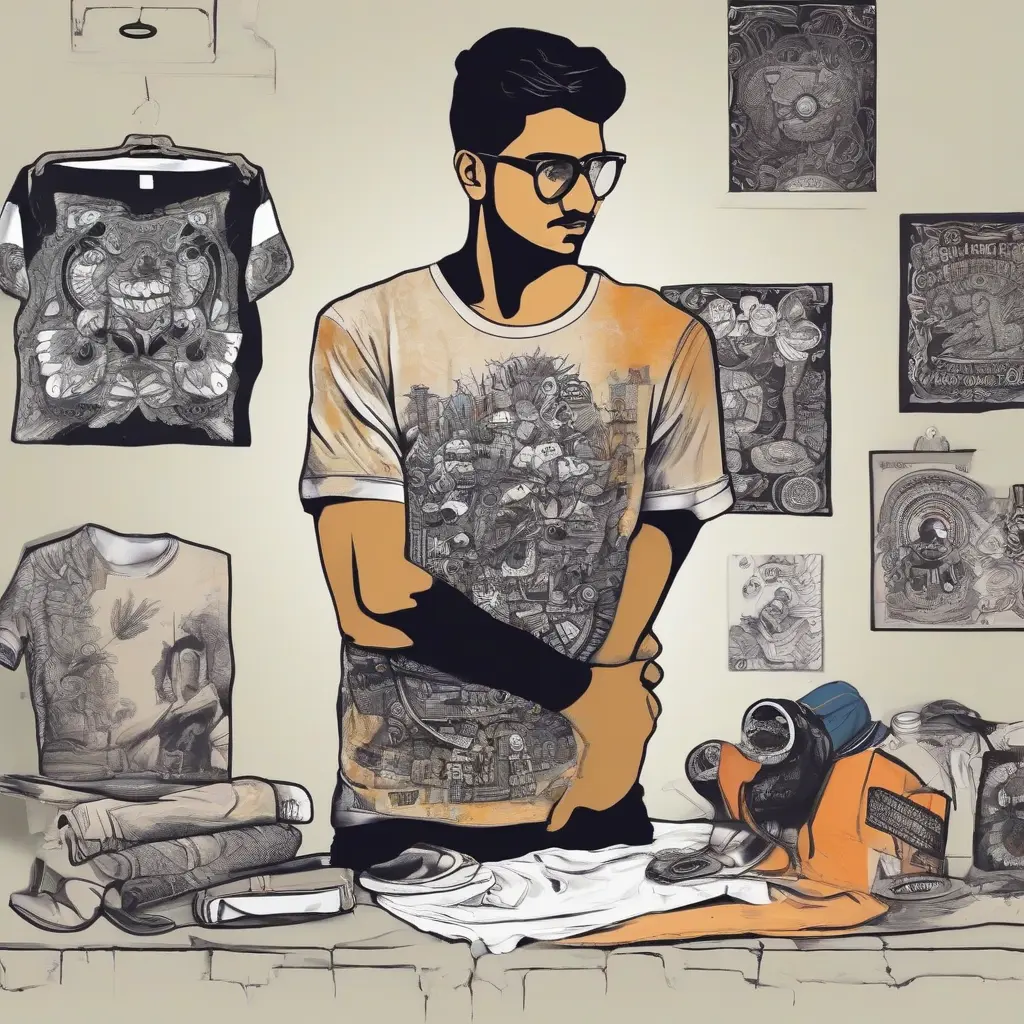
The production of t-shirts in India is a multifaceted journey that spans from the initial design concept to the final delivery to customers. This process incorporates various stages, including design, sourcing materials, manufacturing, quality control, and logistics. India, with its rich textile heritage and skilled workforce, plays a pivotal role in the global apparel market. Understanding this process not only illuminates the craftsmanship behind each garment but also highlights the importance of ethical practices and sustainability in the fashion industry. This article delves deep into each stage of t-shirt production, shedding light on the intricate details and considerations involved.
Understanding T-Shirt Design Concepts
The journey of t-shirt production begins with design concepts, where creativity meets functionality. Designers utilize various tools, including sketches and digital software, to transform their ideas into tangible drafts. The focal point is often on trends, cultural significance, and personal expression, considering what appeals to target audiences. Designers may collaborate with brands or create their own lines, ensuring that the final design resonates with potential customers. The choice of color, typography, and graphics plays a crucial role in differentiating a brand in the competitive fashion market. As a result, strong design concepts are essential to captivate consumers right from the outset.
Material Sourcing for T-Shirt Production
Once the design is finalized, the next critical step is sourcing materials, predominantly fabrics. India is renowned for its diverse textile industry, offering a plethora of material options such as cotton, polyester, and blends. The choice of fabric significantly impacts the t-shirt’s feel, durability, and overall appeal. Sustainable options, such as organic cotton and recycled fibers, are increasingly favored, aligning with eco-conscious consumer trends. Additionally, suppliers must be vetted for reliability and ethical practices, ensuring that they meet quality standards in production. This stage emphasizes the importance of quality materials in achieving a successful product while addressing sustainability.
The Manufacturing Process of T-Shirts
The manufacturing stage is where the t-shirts begin to take shape. This typically occurs in factories equipped with advanced machinery, where skilled workers cut, sew, and assemble each garment. Techniques like screen printing and embroidery may also be employed to apply designs. Quality control is critical at this stage, involving checks at various points to ensure the finished product meets specified standards. Factors such as stitching accuracy, color consistency, and defect rates are closely monitored. With India’s labor force being adept in various textile skills, the country has built a reputation for producing high-quality apparel efficiently and effectively.
Effective Quality Control Measures
Quality control is a vital aspect of t-shirt production, ensuring that every piece meets consumer expectations. After manufacturing, thorough inspections are conducted to assess fabric quality, stitch integrity, and print accuracy. Any defective items are identified and rectified before they reach the market. Many brands incorporate multiple layers of quality checks, from random sampling during production to final assessments before packing. This commitment to quality not only enhances brand reputation but also fosters consumer trust. In a competitive environment, maintaining high standards in quality control can serve as a key differentiator.
Packaging and Branding for T-Shirts
After quality control, the next step involves packaging and branding, both critical for marketing and consumer appeal. T-shirts are carefully folded and packed to minimize creases and damage during transit. The packaging usually features branding elements, including logos and labels, which help establish the identity and value of the product. Eco-friendly packaging options are gaining traction, reflecting a growing consumer preference for sustainability. Proper branding communicates the t-shirt’s unique value proposition and creates a connection with the target audience, contributing to overall customer satisfaction and brand loyalty.
Logistics and Distribution in T-Shirt Production
Once t-shirts are packaged, the logistics and distribution phase kicks in. This involves transportation of the merchandise to various retail outlets or directly to consumers. Efficient logistics are crucial to ensure timely deliveries, impacting customer satisfaction and inventory management. This stage can involve complex coordination between manufacturers, warehouses, and delivery services. In recent years, e-commerce has transformed distribution channels, allowing direct-to-consumer sales and broadening market reach. As companies increasingly embrace digital platforms, logistics must evolve to meet new consumer expectations for speed and efficiency.
Sustainability in T-Shirt Production
Sustainability has become a central theme in t-shirt production, driven by consumer demand for ethical practices. In India, many manufacturers are adopting eco-friendly processes, from sourcing organic materials to implementing water-saving technologies during production. Brands are also focusing on reducing carbon footprints through responsible logistics and alternative energy sources. Transparency in the supply chain is essential, with brands increasingly promoting their sustainability efforts to connect with environmentally-conscious consumers. This commitment not only benefits the planet but can also enhance brand loyalty and attract a broader customer base.
Cultural Influences on T-Shirt Designs
Cultural influences play a significant role in t-shirt designs, particularly in a diverse country like India. Designers often draw inspiration from local traditions, art forms, and regional motifs, resulting in unique and culturally rich designs. Contemporary issues, such as social movements and local narratives, can also shift design aesthetics, creating shirts that resonate with specific audiences. This cultural alignment can enhance brand authenticity and appeal to consumers seeking meaningful connections with their clothing choices. As global markets continue to influence Indian design, this cultural interchange enriches the t-shirt landscape, leading to innovative creations.
The Role of Technology in T-Shirt Production
Technology plays an increasingly pivotal role in modern t-shirt production in India. Innovations like digital printing and automated cutting systems have revolutionized manufacturing processes, enhancing efficiency and precision. Software tools for design allow for varied customization, catering to individual customer preferences and trends. Additionally, technology aids in inventory management, helping brands respond swiftly to market demands. As the industry continues to evolve, integrating technology not only streamlines production but also offers avenues for creativity and sustainability, shaping the future of t-shirt manufacturing.
Exploring Market Trends in T-Shirt Production
Market trends heavily influence the t-shirt production process, affecting everything from designs to materials. In recent years, there has been a notable shift toward casual and comfortable apparel, with t-shirts leading this trend. Consumers are gravitating towards versatile pieces that can be worn in various settings, from casual outings to work environments. Additionally, eco-friendly products are gaining traction as consumers become more aware of their purchasing impact. Brands that adapt to these evolving trends not only enhance their market presence but also build lasting relationships with informed consumers who value sustainability and style.
Future Trends in the T-Shirt Industry
The future of the t-shirt industry appears promising, with emerging trends set to redefine production methods and consumer experiences. With a growing emphasis on sustainability, innovations like bio-fabrication and closed-loop production systems are likely to expand. Moreover, personalization and bespoke designs are becoming more feasible due to advancements in technology, allowing consumers to express individuality through their clothing. The continued integration of e-commerce promises to shape how brands engage with customers, making the purchasing process more interactive. As these trends emerge, the t-shirt production journey in India will likely adapt, ensuring relevance in a rapidly changing global market.
Conclusion
The journey of t-shirt production in India, from concept to delivery, encapsulates a blend of creativity, craftsmanship, and ethical considerations. Understanding each stage highlights the importance of quality, sustainability, and market responsiveness. As the industry evolves, embracing technology and cultural influences will be pivotal for ongoing success. This intricate process not only shapes the t-shirts we wear but also reinforces the broader narrative of fashion’s impact on society and the environment.