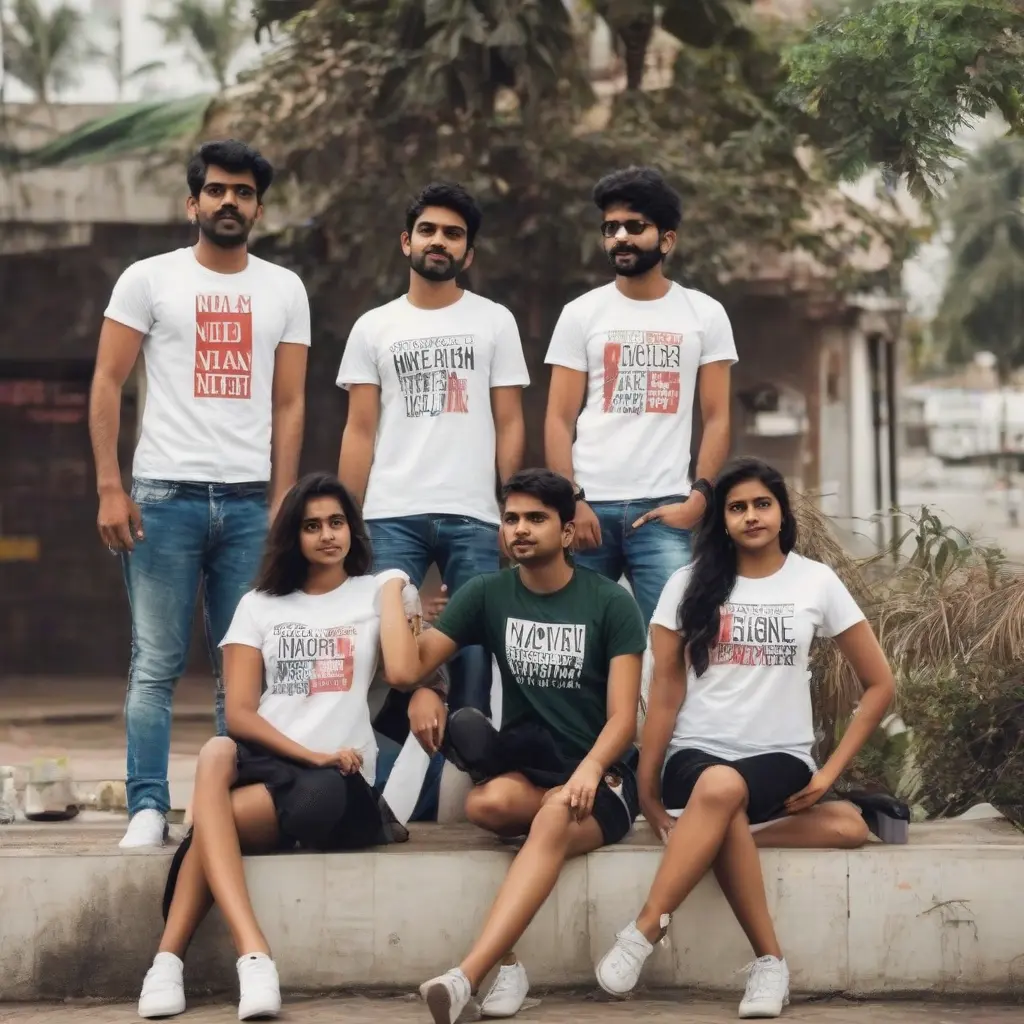
The t-shirt, once a basic piece of clothing, has transformed into a canvas for self-expression, particularly among the Indian youth. This demographic increasingly uses t-shirts to voice their opinions, beliefs, and affiliations, linking fashion to activism. Over the years, t-shirts have become emblematic in various youth movements, serving not only as a means of personal expression but also as a powerful tool for social change. As India continues to grapple with various socio-political issues, the t-shirt has emerged as a significant vehicle for youthful dissent, creativity, and unity.
The Evolution of T-Shirts in India
The history of t-shirts in India reflects broader socio-cultural shifts. Originally introduced as Western clothing, t-shirts quickly gained popularity due to their versatile nature. In the 1980s, with globalization, t-shirts began to reflect local sentiments, trends, and identities. This evolution continued into the 21st century as t-shirts became customized platforms for young Indians to express their views on current events, pop culture, and personal beliefs. This adaptability has propelled them beyond mere fashion items to potent symbols of identity and activism.
T-Shirts as a Medium of Protest
T-shirts have played a crucial role in various protests across India, embodying the messages of movements like the anti-CAA protests and farmer demonstrations. Activists often use creative slogans, graphics, and imagery on t-shirts to communicate their demands and grievances. This accessibility allows anyone to participate visually and vocally. T-shirts are distributed in rallies, creating a unified look among participants, thereby enhancing the visibility of the cause. This practice reinforces the notion that clothing can be an effective medium of protest, allowing young people to showcase their beliefs proudly.
Cultural Representation Through T-Shirts
Cultural representation is a compelling aspect of t-shirt usage among Indian youth. Designs often reflect regional identities, folklore, and contemporary issues, celebrating India’s diversity. By wearing t-shirts adorned with local art, language, or iconic figures, young individuals are not only making a fashion statement but also promoting cultural pride. This has gained momentum on digital platforms, where custom t-shirt designs showcasing ethnic motifs or social messages attract attention and meaningful engagement. In this way, t-shirts become a vessel for cultural storytelling, connecting youth to their roots.
The Role of Social Media in T-Shirt Activism
Social media has significantly amplified the role of t-shirts in activism. Platforms like Instagram and Twitter enable youth to share their t-shirt messages with a broader audience. Hashtags associated with specific causes often facilitate collective movements, drawing attention to pressing social issues. Young activists showcase their attire at protests, garnering support and sparking discussions online. This digital dimension transforms ordinary t-shirts into powerful symbols, with the potential to influence opinions and inspire action. As a result, social media has redefined the traditional boundaries of activism, integrating fashion with digital outreach.
Commercialization and Its Impact
The commercialization of t-shirts in India introduces both positive and negative implications for youth movements. While mainstream brands have begun to create activist-themed lines, which successfully merge profit with purpose, it raises questions about authenticity. Commercialized messages may dilute the grassroots intent behind various movements, potentially overshadowing individual voices with brand slogans. However, this also provides youth with increased access to statement pieces that resonate with their beliefs. The balance between authentic activism and commercial interests remains a potent topic of discussion among young people and critics alike.
Celebrity Influence on T-Shirt Trends
Celebrities play a significant role in popularizing t-shirts as a form of activism. When influential figures showcase politically charged t-shirts, their actions can catalyze movements and set trends among youth. By promoting specific causes or social messages through their clothing choices, celebrities often amplify public awareness. This interaction between celebrity culture and social activism encourages fans to adopt similar practices, fostering a sense of community around shared beliefs. However, it also prompts discussions about the motivations behind celebrity endorsements and the genuine commitment to social issues.
T-Shirts and Youth Identity
For Indian youth, t-shirts serve as more than just clothing; they represent identity and belonging. Wearing specific slogans or designs can indicate allegiance to a movement, ideology, or community. This visual representation fosters solidarity among like-minded individuals while allowing for individuality in expression. T-shirts featuring progressive messages or cultural references become conversation starters, facilitating discussions on critical issues. This personalization of attire is essential as young people navigate their identities in a rapidly changing social landscape, where clothing choices become integral to self-representation and advocacy.
Environmental Concerns and Sustainable Practices
As awareness of environmental issues grows, many Indian youth are advocating for sustainable fashion, including t-shirts. This shift encourages the use of eco-friendly materials, ethical production processes, and upcycling of clothing. Young activists are increasingly choosing brands that align with their environmental values, promoting messages of sustainability through their attire. This trend reflects a broader movement toward responsible consumption, where t-shirts are not merely worn for fashion but are also statements about ecological consciousness. This shift toward sustainability represents a profound evolution in the relationship between clothing and personal values.
The Future of T-Shirts in Youth Movements
Looking ahead, the role of t-shirts in Indian youth movements is likely to evolve further. With advancements in technology, the potential for customizing designs and messages is expanding rapidly, allowing for more individualized expressions. As climate consciousness and social justice become increasingly pivotal, the t-shirt can adapt to reflect new narratives and challenges. The ability to respond quickly to current events and cultural shifts ensures that t-shirts remain relevant as tools for activism. Through this ongoing evolution, t-shirts will likely continue to symbolize youth resilience, creativity, and a committed stance toward social change.
Conclusion
The connection between t-shirts and Indian youth movements illustrates the powerful intersection of fashion and activism. As these garments evolve from simple attire to potent messages, they empower young individuals to voice their beliefs, advocate for change, and foster cultural pride. T-shirts serve not only as a means of personal expression but also as a collective rallying point for various causes. This dynamic relationship between clothing and activism underscores the importance of apparel as a tool for identity and social engagement, solidifying the t-shirt’s role in the continuing struggle for justice and awareness in modern India.