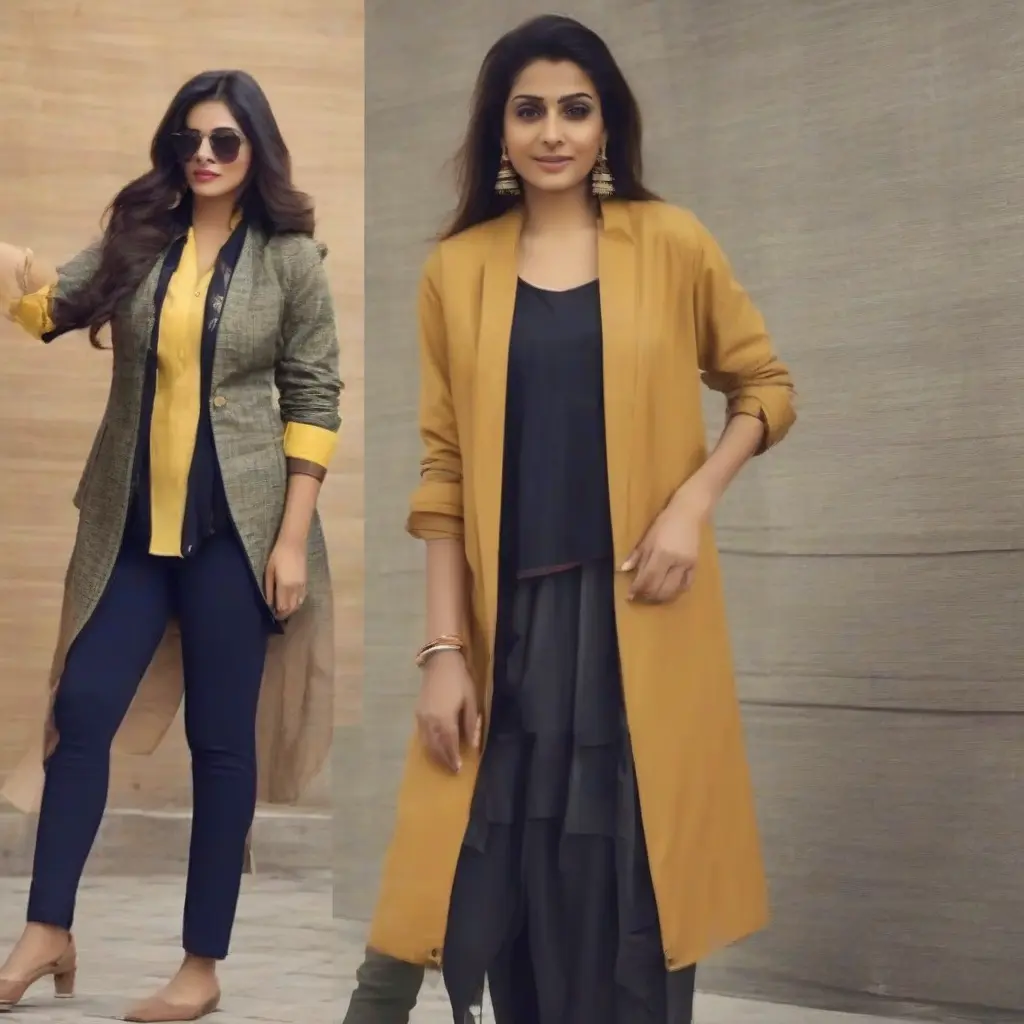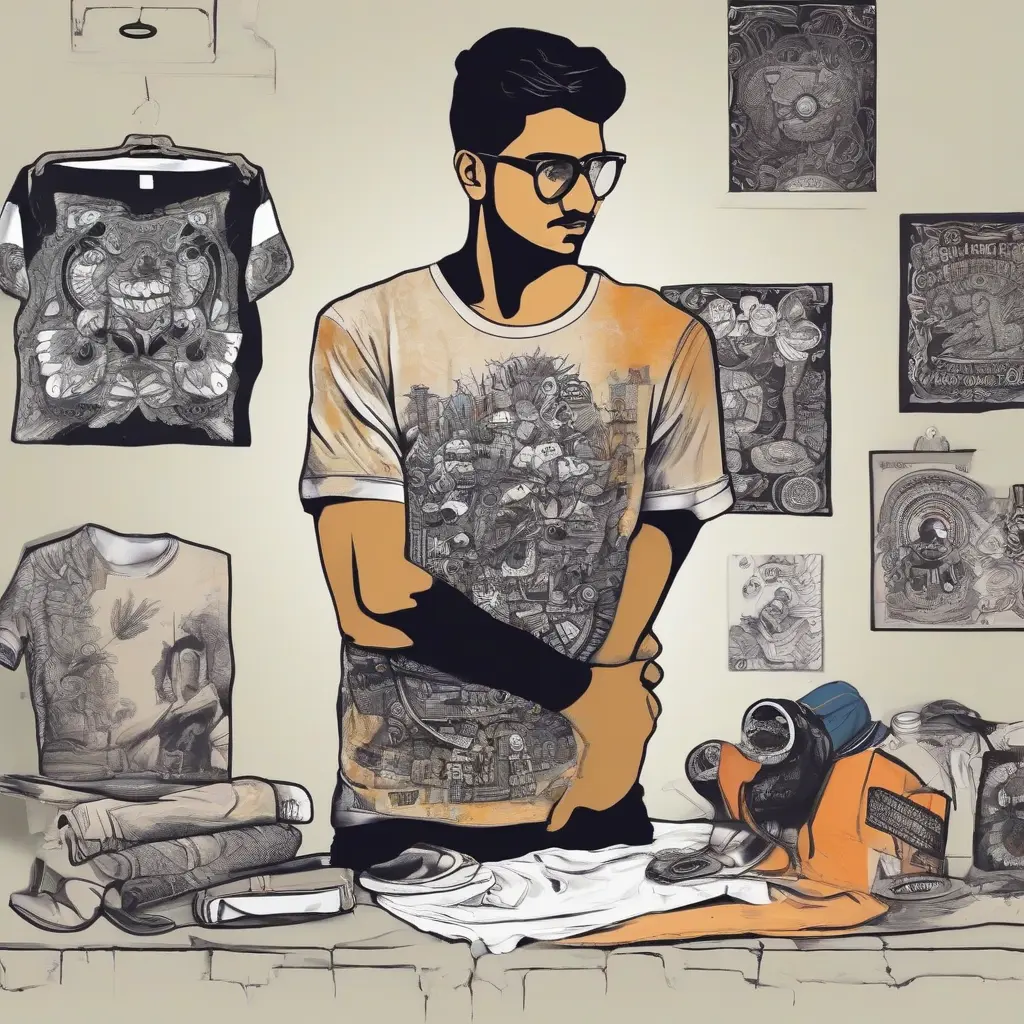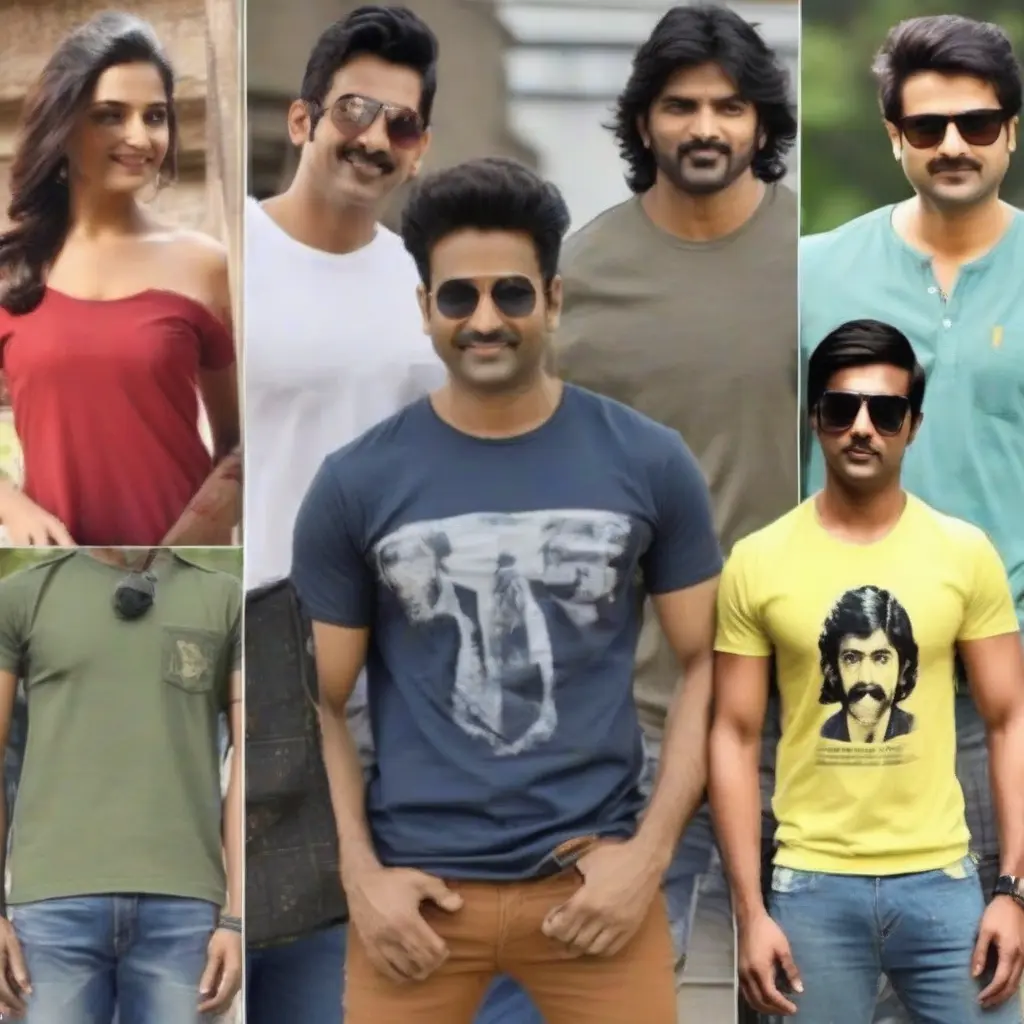
The journey of t-shirt styles in Indian pop culture reflects the nation’s dynamic social landscape and artistic expressions. Over the decades, t-shirts have epitomized changing trends, blending traditional craftsmanship with contemporary designs. They serve as more than mere clothing, acting as canvases for cultural identity, political statements, and artistic creativity. From the early days of basic cotton tees to vibrant graphic designs inspired by Bollywood, music, and street art, the evolution has been significant. This article explores the various styles of t-shirts that have shaped and continue to influence Indian pop culture.
The Origins of T-shirts in India
The introduction of t-shirts in India can be traced back to the British colonial era when imported garments began to appear in urban centers. Initially, these garments were primarily worn by the Westernized elite and later penetrated the middle class as the country gained independence. During the post-colonial period, the t-shirt became a symbol of Western influence, often featuring simple designs or plain colors. This era laid the foundation for the garment’s evolution, allowing it to transition into a canvas for self-expression as local designers began to diversify their offerings.
Bollywood’s Influence on T-shirt Designs
Bollywood has greatly influenced t-shirt styles in India, contributing to the garment’s popularity. As the film industry began to focus more on glamor and celebrity culture, t-shirts featuring iconic movie quotes, actor images, and motifs from popular films became mainstream. Stars like Shah Rukh Khan and Deepika Padukone often sport graphic tees, prompting fans to replicate their style. The association between t-shirts and cinema not only made them fashionable but also allowed individuals to express their fandom, bringing a sense of community among viewers.
Street Art and T-shirts
Street art has emerged as a significant influence on t-shirt styles in India, with various artists using tees as a medium to showcase their creativity. In cities like Mumbai and Delhi, graffiti-inspired designs and illustrations of social issues have made their way onto t-shirts, turning them into wearable art. This trend reflects the voices of the youth, often expressing thoughts on gender inequality, environmental issues, and political statements. The fusion of art with fashion has created a unique subculture where messages are conveyed through striking visuals, making each piece a story in itself.
The Rise of Eco-Friendly T-shirts
As environmental awareness grows, the demand for eco-friendly t-shirts has risen in India. Consumers are now more conscious of the materials used and their impact on the environment. Brands are responding by adopting sustainable practices, such as using organic cotton, recycling materials, and employing low-impact dyes. These eco-friendly options not only appeal to environmentally-conscious consumers but also resonate with the cultural shift towards responsible living. T-shirts reflecting sustainable ideals serve a dual purpose: they enhance personal style and contribute to global environmental efforts.
Cultural Representations in T-shirt Styles
T-shirts in India often feature designs that reflect the country’s rich cultural heritage. From traditional motifs and regional patterns to sayings in local languages, these garments celebrate India’s diversity. Designers blend traditional art forms like Warli painting or Madhubani designs with contemporary aesthetics to appeal to the modern consumer. This fusion not only popularizes traditional art but also helps preserve cultural narratives in a rapidly changing world. Such t-shirts allow individuals to embrace their ethnic identity and showcase it in a stylish manner.
The Role of Music Festivals
Music festivals have become a breeding ground for unique t-shirt styles in India, uniting various music genres with fashion. Events like NH7 Weekender and Sunburn have inspired vibrant designs, often reflecting the themes of musical freedom and exploration. Artists and designers collaborate to create custom festival tees, which attendees eagerly purchase to commemorate their experiences. These t-shirts capture the essence of the festival culture while allowing individuals to express their love for music, creating a sense of camaraderie among festival-goers.
T-shirt Trends Among Youth
The youth demographic plays a crucial role in shaping t-shirt trends in India. Influenced by global fashion, social media, and peer dynamics, young people are drawn to bold graphics, slogan tees, and oversized fits. Platforms like Instagram and TikTok drive these trends, as influencers showcase their styling choices featuring eye-catching designs. The desire for unique, personalized clothing leads to the popularity of custom t-shirts, where individuals can express their individuality and align with their interests. This evolving trend not only affects market demand but also influences the designs produced by local brands.
The Impact of Social Media on T-shirt Styles
Social media has revolutionized how t-shirt styles are perceived and marketed in India. Platforms like Facebook, Instagram, and Pinterest serve as outlets for brands to showcase their latest designs while engaging directly with consumers. Trends can go viral overnight, as users share their looks, encouraging wider acceptance of diverse styles. Furthermore, social media influencers hold significant power in promoting specific t-shirt designs, shaping public perception. This direct link between online presence and fashion trends has led to a rapid cycle of innovation in the t-shirt market.
Conclusion
The evolution of t-shirt styles in Indian pop culture is a testament to the country’s rich heritage, social dynamics, and artistic expressions. From their origins as simple garments to their role as powerful cultural symbols, t-shirts have transcended mere fashion. They reflect the ongoing dialogue between tradition and modernity, serving as canvases for self-expression, social commentary, and community-building. As trends continue to evolve, the t-shirt remains a versatile representation of India’s vibrant pop culture.