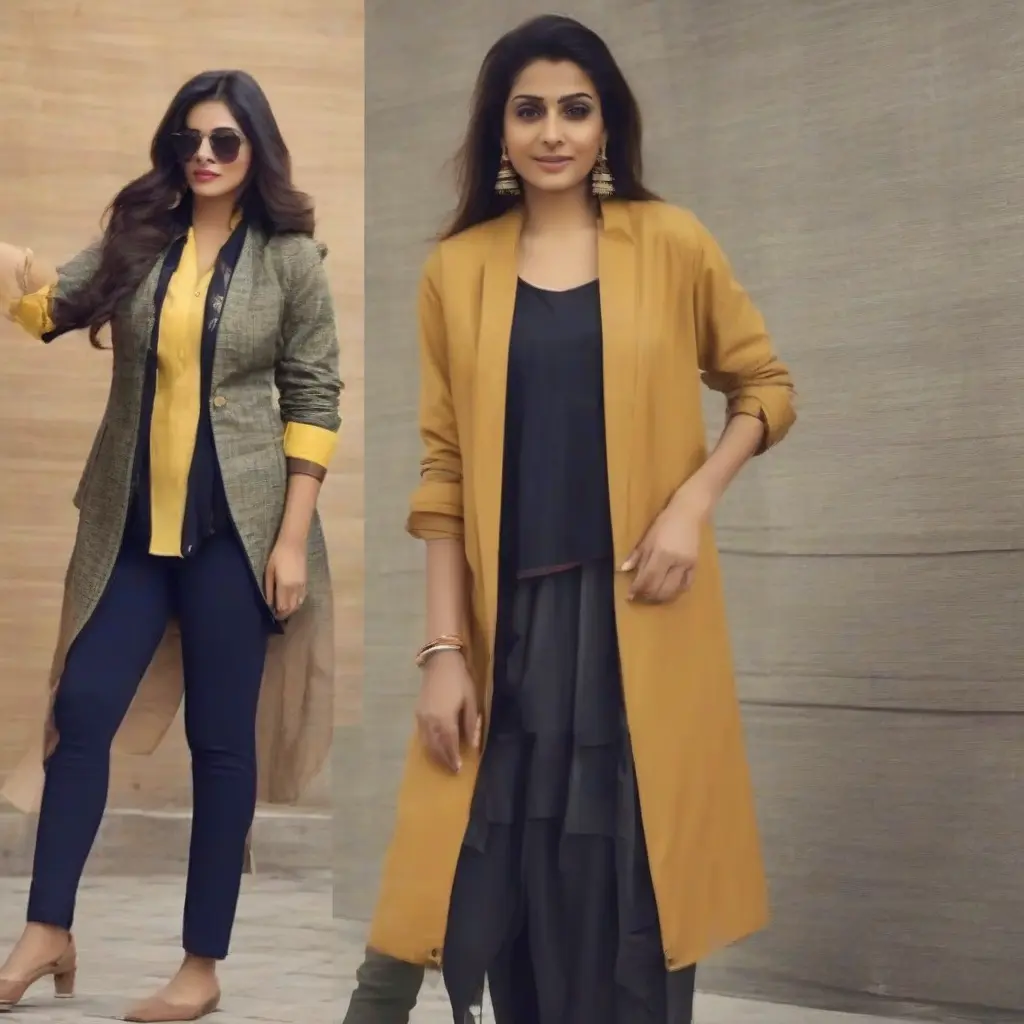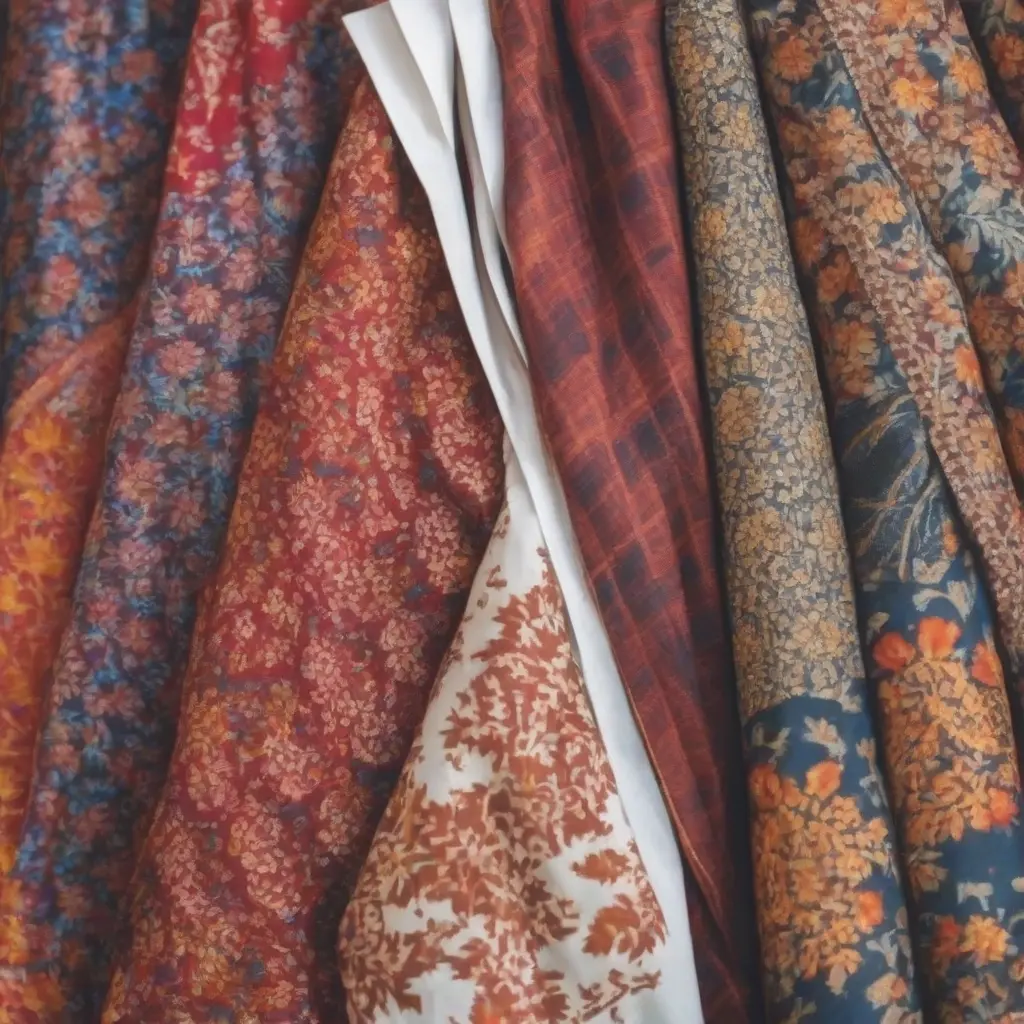
The world of shirt fashion in India is deeply intertwined with regional fabric choices, reflecting the country’s rich textile tradition. India boasts a diverse range of fabrics, each with its own cultural significance and unique characteristics. The local styles impact not only the aesthetic appeal but also the comfort and functionality of shirts worn across different climates and occasions. This article explores the various fabrics that define Indian shirt fashion, their influence on design trends, and how they interact with modern sensibilities while preserving traditional elements.
The Role of Cotton in Indian Shirt Fashion
Cotton is undoubtedly the most popular fabric for shirts in India due to its breathability and comfort. Regions like Gujarat and Maharashtra are renowned for their high-quality cotton production, leading to shirts that are perfect for the hot Indian climate. The versatility of cotton allows designers to play with various styles, from casual wear to formal attire. Moreover, the use of indigenous cotton fabrics like Khadi not only promotes sustainability but also aligns with the revival of traditional craftsmanship, making it a favorite among modern consumers.
Silk: The Luxury Fabric of Indian Shirts
Silk represents luxury and elegance in Indian shirt fashion, particularly in festive and formal occasions. Fabrics like Banarasi silk or Kanchipuram silk are not just known for their richness but also their intricate designs, often featuring traditional motifs. Shirts made from silk are favored for their luster and draping capabilities, which enhance the overall look. However, they require careful maintenance, making them less suitable for everyday wear but perfect for ceremonial events, thereby maintaining a special status in Indian fashion.
Linen: A Breath of Fresh Air
Linen is another fabric gaining popularity in the realm of Indian shirts, particularly for summer wear. With its natural properties that allow better airflow and moisture absorption, linen shirts are ideal for the sometimes humid weather in vast parts of India. While traditionally associated with western styles, Indian designers are now incorporating linen into ethnic silhouettes, allowing for a modern yet culturally rooted choice in shirts. This shift not only showcases innovation but also highlights the adaptability of linen in Indian fashion narratives.
Regional Specialties: The Diversity of Indian Textiles
India is a melting pot of regional textiles, each bringing unique patterns and weaving techniques to shirt design. For instance, the vibrant Patola from Gujarat boasts intricate tie-dyeing techniques, while the block prints from Rajasthan add a rustic flair. These regional specialties are more than just aesthetic choices; they embody local craftsmanship and narratives, turning shirts into wearable art. Additionally, the growing demand for these textiles is helping preserve traditional arts, as more consumers seek authenticity in their clothing choices.
The Influence of Eco-Friendly Fabrics on Shirt Trends
With increasing awareness around sustainability, eco-friendly fabrics are making their mark on shirt fashion in India. Fabrics made from organic cotton, bamboo, and recycled materials are gaining traction due to their minimal environmental impact. Indian brands are beginning to merge eco-friendly practices with modern shirt designs, appealing to a conscientious consumer base. This trend not only addresses ecological concerns but also promotes a narrative of responsible fashion, thereby attracting younger generations keen on making sustainable choices.
The Impact of Global Trends on Indian Shirt Fashion
Global fashion trends have a significant impact on Indian shirt styles, especially among urban consumers. While traditional fabrics remain important, the influence of international designs has led to a fusion of styles that often incorporates western cuts, colors, and patterns. This blending creates shirts that resonate with both local and global audiences, allowing Indian designers to experiment while preserving cultural identity. Nonetheless, the challenge remains to maintain a balance between innovation and tradition, ensuring that cultural roots are not lost in the process.
Marketing Strategies for Regional Fabric Shirts
Effective marketing strategies are crucial for promoting shirts made from regional fabrics in India. Brands are leveraging social media platforms to showcase unique designs and the stories behind each fabric, emphasizing the craftsmanship involved. Influencer collaborations and targeted advertising campaigns are helping to raise awareness and appreciation for regional textiles. Furthermore, eco-conscious messaging resonates well with consumers, making sustainability a focal point in marketing these shirt collections. This approach not only drives sales but also fosters a deeper connection between consumers and the cultural heritage encapsulated in the garments.
The Future of Shirt Fashion in India
As the landscape of shirt fashion continues to evolve in India, regional fabric choices will play a pivotal role in shaping future trends. With a growing appreciation for heritage and a shift toward sustainable practices, designers are expected to further innovate around local textiles. The challenge will be to adapt to global fashion sensibilities while preserving the unique qualities that each regional fabric brings to shirt design. This interplay between tradition and modernity will ultimately define the future of Indian shirt fashion, ensuring that it remains vibrant and relevant.
Conclusion
Regional fabric choices profoundly impact shirt fashion in India, blending traditional methods with contemporary designs. As consumers increasingly lean toward sustainability and authenticity, the demand for locally sourced fabrics offers economic opportunities for artisans while preserving cultural heritages. This dynamic relationship between fabric selection and fashion trends highlights the importance of fostering appreciation for the rich tapestry of Indian textiles, ensuring their continued relevance in the modern wardrobe.